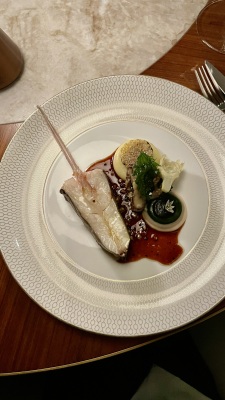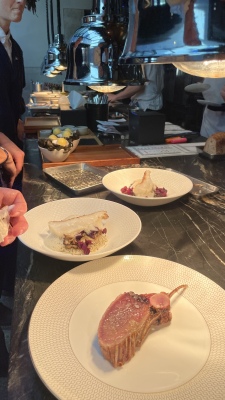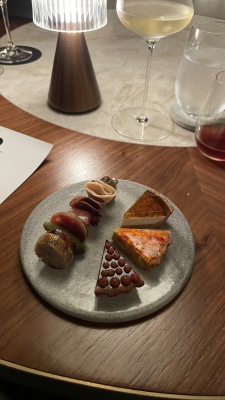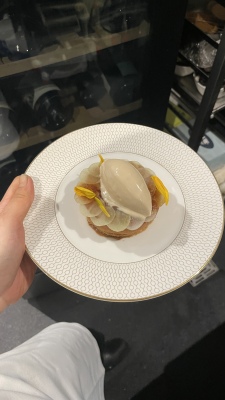


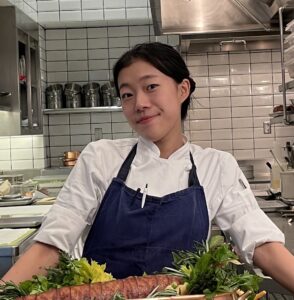
Saint Peter is a fine-dining seafood restaurant located in Paddington, Sydney, led by Chef Josh Niland. While I was a student at the CIA, Chef Nilands’ books introduced me to his philosophy of seafood cookery and inspired my fascination with his innovative approaches to fish.
When I was awarded the Ment’or Grant, I decided to pursue an experience that aligned with my long-standing passion for seafood. I have always admired Chef Josh and dreamed of working alongside him, so I chose Saint Peter without hesitation. My vision for my own future restaurant is to focus exclusively on seafood—creating dishes that explore its flavors and depth without using any meat. Throughout my culinary journey, seafood has always given me the most profound sense of wonder. I often feel that seafood is underappreciated, and having grown up in Korea, I have always had deep respect and love for Korean seafood and ingredients. The fact that Saint Peter works solely with wild, sustainably caught Australian seafood fascinated me deeply. I wanted to learn how they interpret and celebrate their country’s seafood and culinary identity.
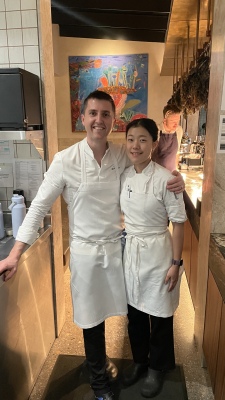
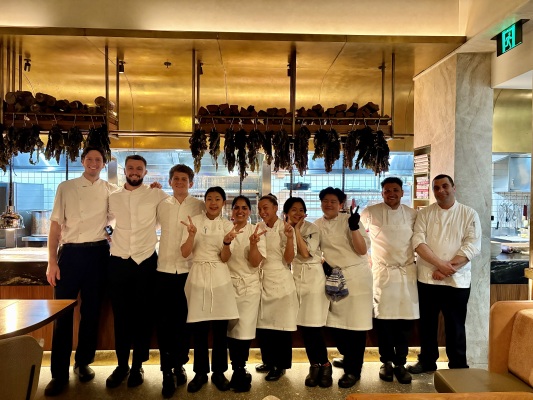
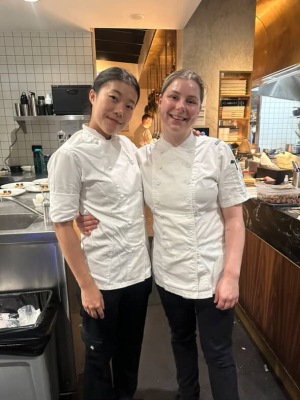
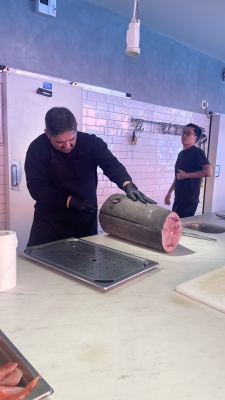
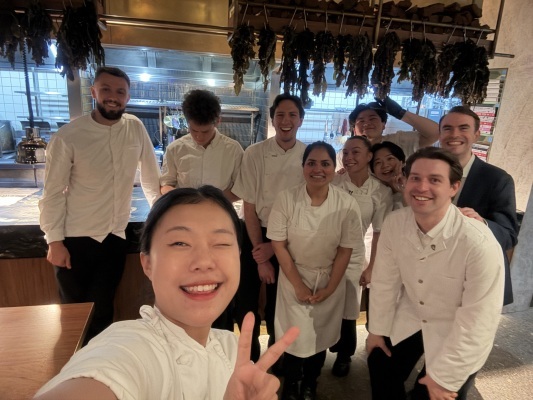
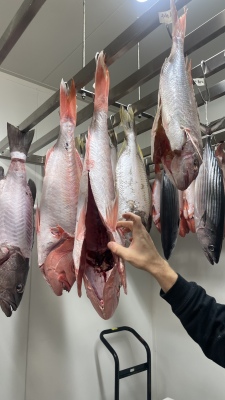
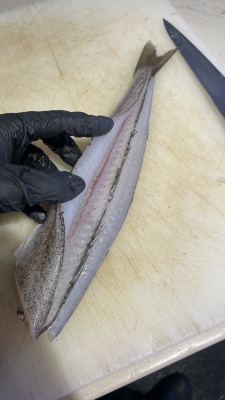
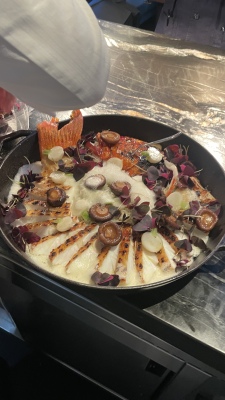
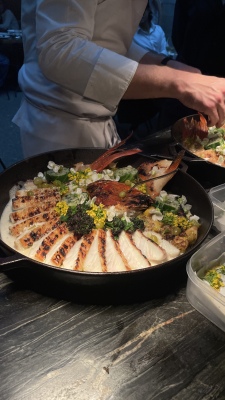
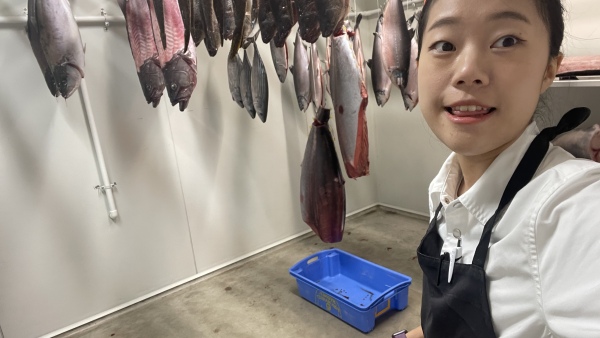
When I first arrived at the restaurant, Chef Ben gave me a brief kitchen tour and introduced me to the team. During the first few days, I helped with prep work and family meals. As time went on, I was gradually entrusted with more responsibility. During service, I worked at the pass, plating hot dishes and checking the temperature and cuisson of the fish. I was also grateful to have the chance to work at Fish Butchery, Saint Peter’s sister restaurant. This space functions like a factory where everything begins—from receiving fish at auctions, to butchering, dry-aging, and producing various seafood charcuterie and sausages. Every fish served at Saint Peter passes through Fish Butchery, so being part of that process was a dream come true. In Sydney, most kitchens operate on a four-day work week, so I spent two days at Saint Peter and two days at Fish Butchery over the course of two months.
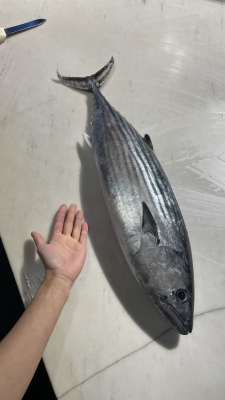
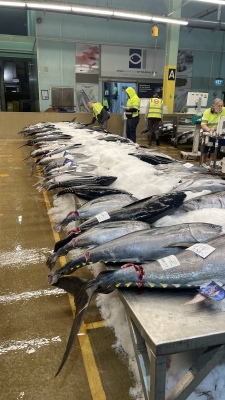
What made this experience even more special was witnessing the full process cycle of a fish—from auction to butchery, to plating. I would help buy fish at the market, break it down the next day at Fish Butchery, deliver it to Saint Peter, and then cook and plate it myself. Experiencing every step with my own hands was incredibly meaningful.
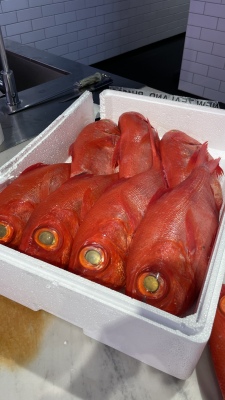
On a smaller scale, I learned an immense amount about fish handling and cookery—breaking down and preparing many species I had never seen before, such as Murray cod and coral trout. I was especially impressed by the open wood-fire grill that occupied one side of the kitchen; I had never cooked on such a setup before, and it offered a whole new way of understanding flavor and control.
From a broader perspective, this experience connected deeply with my journey as a Korean female chef who moved to the U.S. at 18. I have been fortunate to grow at Per Se, where over three and a half years I learned from Chef Thomas Keller’s philosophy about precision, respect, and grace, both in cooking and hospitality. Those years shaped the way I absorb and appreciate knowledge. Without my time at Per Se, I may not have been able to truly grasp the depth and focus of what Saint Peter stands for, and I am profoundly grateful for the path I have taken so far.
Near the end of my two months, I had the privilege of sitting down with Chef Josh for a conversation. We spoke about what I had learned and experienced. I shared a moment that had deeply moved me: one day, a fisherman who catches mackerel for Saint Peter visited the restaurant for a Q&A session. Watching the dialogue between him and Chef Josh left a lasting impression on me. I was struck by how close the connection was between the restaurant and its fishermen—how beautiful it is for a restaurant to proudly showcase the fish caught through someone’s labor and care, and how the ethics of the fisherman and the philosophy of the chef can come together to create something truly meaningful. I realized that if I could build such relationships through my own cooking, I would feel an immense sense of fulfillment.
What I learned over these two months was not just about improving my technical skills or expanding my professional network. It was about understanding what kind of chef I want to become—a chef who brings pride to the farmers and fishermen who supply our ingredients; a chef who contributes to a more sustainable and conscientious food culture. Cooking is not just about feeding people—it can be a way to change and nurture the world. If we, as chefs, can inspire people to think more deeply about what and how they consume, we can be more than cooks; we can be agents of positive change.
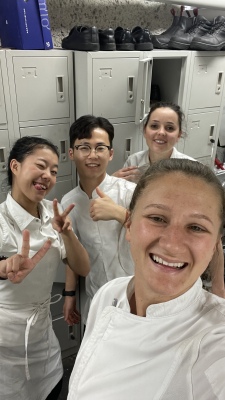
I would like to express my sincere gratitude to Ment’or for giving me this opportunity, and to Chef Josh and the Saint Peter team for having me as a part of their family and teaching me everything without hesitation. I also thank my Chef de Cuisine, Chef Chad, and the entire Per Se team for supporting my journey. And above all, thanks to Chef Keller for his endless mentorship and inspiration.